2026 Film Categories
 See Category
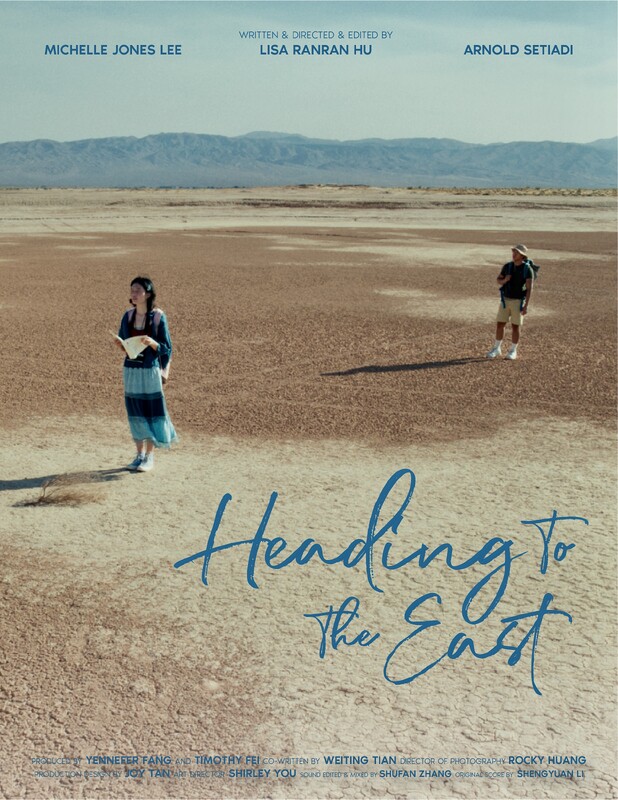
The AmérAsia category at MAiFF 2026 celebrates the legacy of the AmérAsia Film Festival, founded in 1999 by Mi-Jeong Lee, and its long-standing commitment to Asian diasporic cinema in North America. Rooted in the lived experiences of Asian communities in Canada and the United States, AmérAsia brings forward films that speak to migration, memory, belonging, and the evolving meaning of home. Featured in this category are works by North America-based Asian filmmakers, with a special focus on voices shaping the future of Asian North American storytelling. Through intimate narratives and authentic perspectives, AmérAsia offers a cinematic portrait of diaspora in motion, where personal histories and new generations continue to unfold on screen.
 See Category
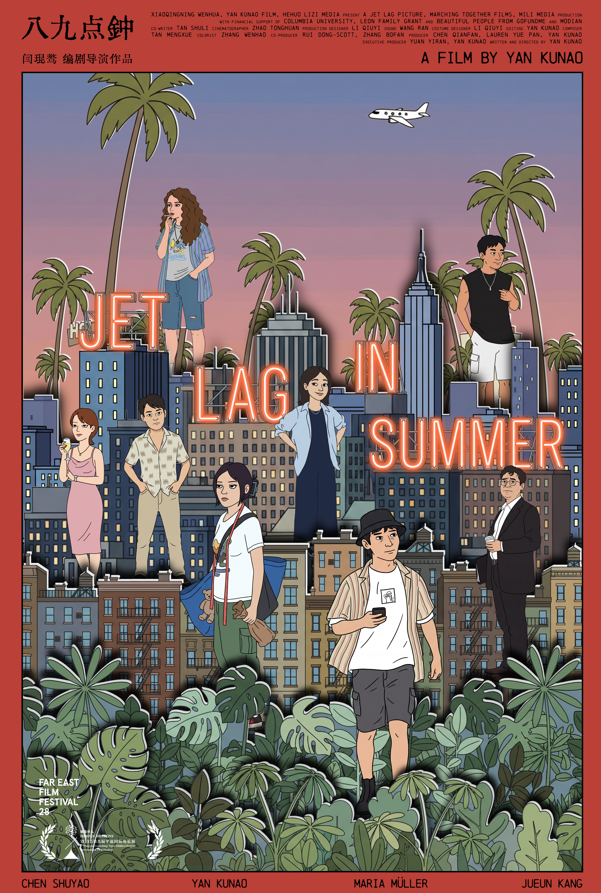
The EMW (EastMeetsWest) category at MAiFF 2026 carries the core of “Where East Meets West,” a foundational pillar of Arts East-West and a guiding vision behind the organization’s work. Bringing this vision to the screen, EMW presents a vibrant selection of pan-Asian cinema and Asian diaspora films from around the world. Featured in this category are films from across Asia, works by Asian diaspora filmmakers outside North America, and films that center cross-cultural narratives, encounters, and perspectives between East and West. Through bold storytelling, distinctive cinematic voices, and diverse reflections on layers of culture and identity, EMW invites audiences to a cinematic horizon where different voices, histories, and worlds come together.
 See Category
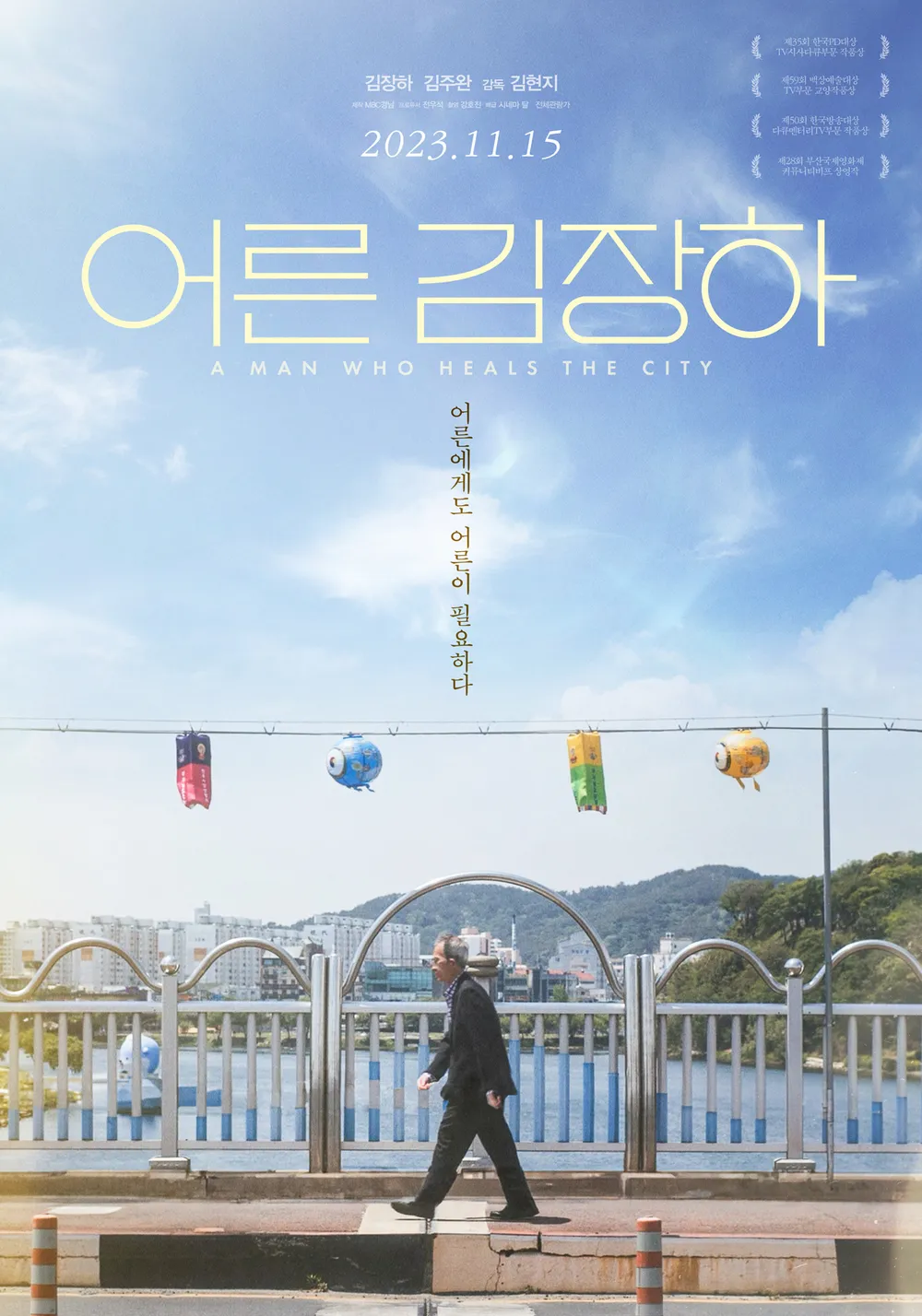
The KFFC category at MAiFF 2026 honours the legacy of the Korean Film Festival Canada, our annual film festival established in 2013 and recognised as the longest-running Korean film festival in Canada. Returning this year as a cornerstone of MAiFF, it celebrates exceptional Korean film and media arts while reflecting the richness and diversity of Korean storytelling. Featured in this category are Korean-language films, films about Korean culture, films from South Korea, and works by Korean diaspora filmmakers from around the world. In the KFFC category, heritage, identity, and cinematic artistry vividly come to life together, inviting audiences to experience Korea.
2026 Spotlights & Retrospectives
Spotlight on Asian-Canadian Animations
In partnership with the National Film Board (NFB).
This spotlight series brings together a remarkable collection of animated works by Asian-Canadian filmmakers whose films explore memory, identity, migration, belonging, history, and imagination through innovative artistic voices. From intimate personal storytelling to visually striking experimental animation, these screenings celebrate the richness and diversity of Asian-Canadian cinema today.
Read MoreRetrospective of
Ahn Sung-ki
Ahn Sung-ki
In partnership with the Korean Film Archive (KOFA).
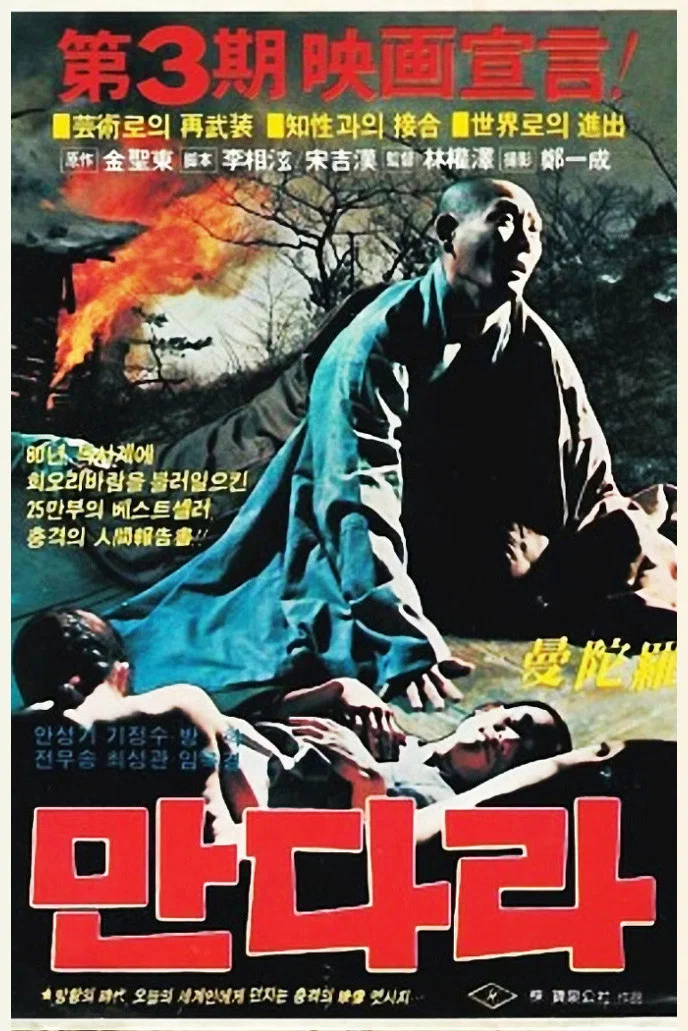
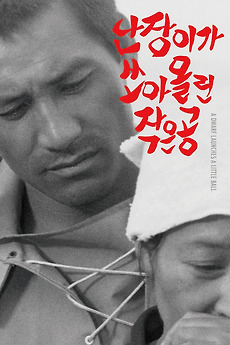
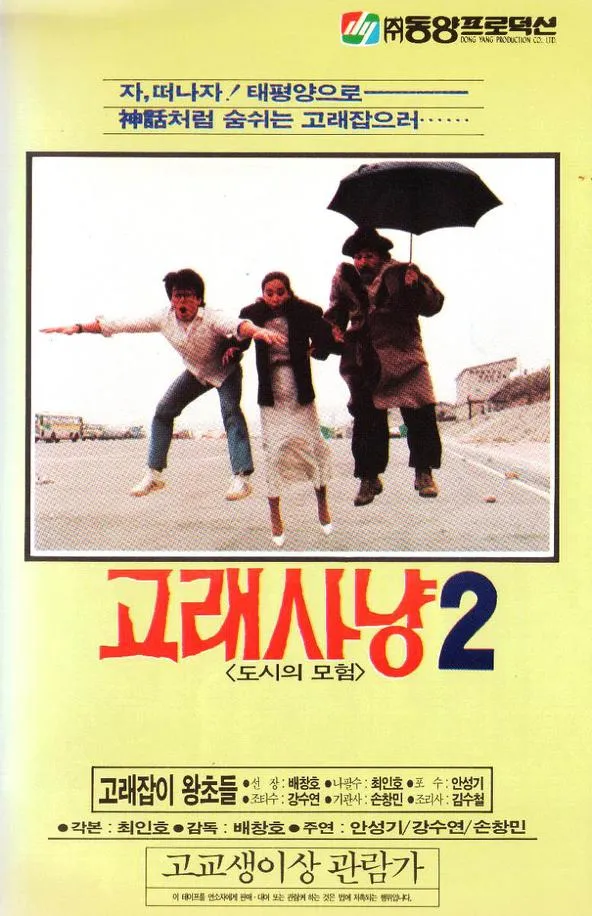
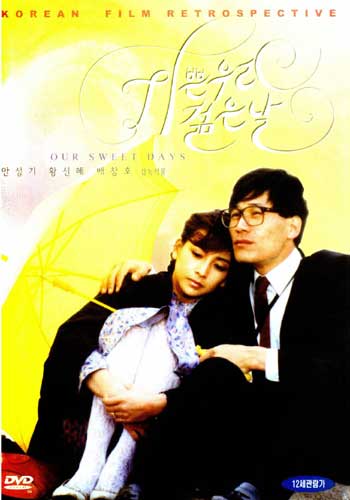
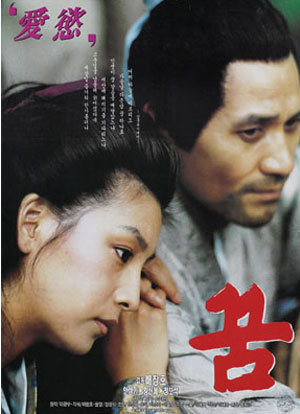
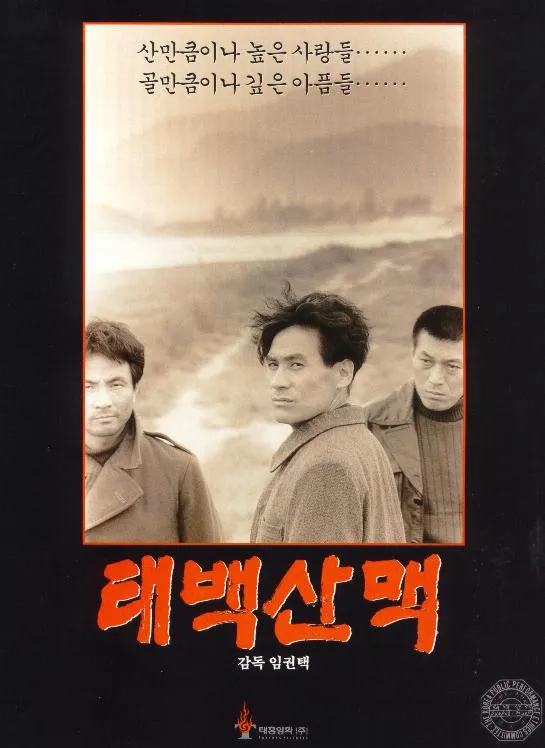
This retrospective celebrates Korea's beloved "National Actor" Ahn Sung-ki, who passed away on January 5, 2026, at the age of 74. Across nearly 200 films and six decades, Ahn became the defining face of one of the most transformative periods of Korean history. This retrospective honors his legacy by looking at the 15 films he appeared in through a fresh lens: the remarkable female actors who shared his screen, and the stories of women's lives.
Read MoreRetrospective of
Han Okhi
Han Okhi
In partnership with the Asia Cultural Center (ACC).
A pioneer of Korean experimental films, Han Okhi emerged alongside a generation of artists challenging established culture and redefining cinematic language in Korea. Through experimental form, montage, movement, sound, and visual abstraction, her films continue to resonate with striking originality and artistic courage. These films offer a truly rare and distinctive opportunity to experience the works of one of Korea’s most visionary filmmakers.
Read More3 Masters of Asian New Wave Cinema
Thanks to Janus Films, Criterion, Film Movement, and KOFA.
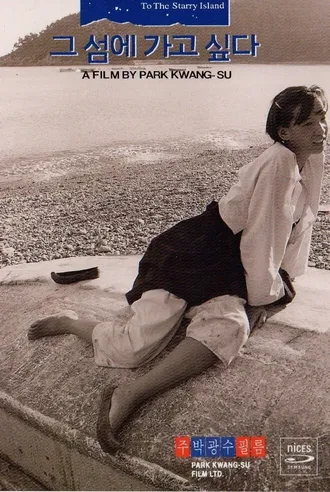
This special programme brings together three landmark works that illuminate the 1990s as the defining decade of the Asian New Wave. Influenced by the French New Wave and European art cinema, yet deeply rooted in their own cultural contexts and reinterpreted through a distinctly Asian lens, Park Kwang-su, Wong Kar-wai, and Iwai Shunji each forged a singular vision that redefined what Asian cinema could be — and what it could say to the world.
Read More