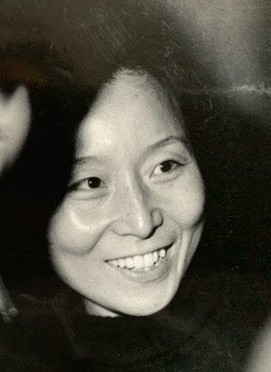

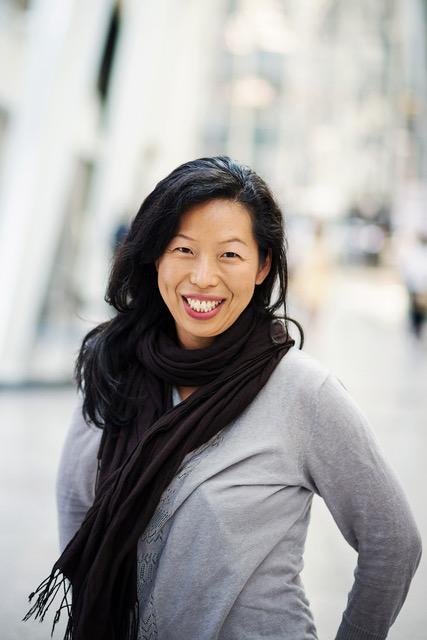
I’m honoured that There Are No Words has been selected as the Opening Film for the 13th Montreal Asian International Film Festival. It feels especially meaningful for the film to begin its journey here, in a space committed to Asian and Asian Canadian artists, where the work is not only screened but situated within a larger conversation about history, memory, and the conditions that shape our lives.
The film traces the afterlives of Cold War militarism as they continue to move through family relations, often in ways that are difficult to resolve. Festivals like MAiFF create the conditions for these stories to be held collectively, across generations and communities, and to be engaged within their full complexity. I’m grateful to the festival for its long-standing commitment to artists and to building a space where diasporic voices can be seen and heard with care and intention. I look forward to being part of this year’s edition and to the conversations that will emerge from it.
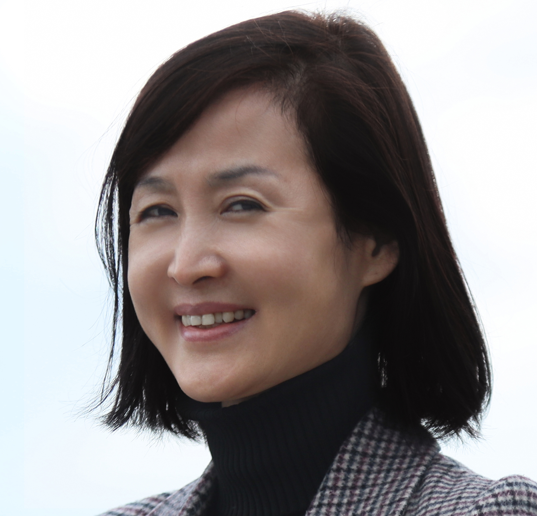
Congratulations on the successful opening of the 13th Montreal Asian International Film Festival. I would like to express my deepest gratitude for inviting the documentary as the closing film of this year’s festival. This film explores the continuous questions surrounding human thought and existence. It is a profound honor to share the trajectory of those inquiries with the audience in Montreal. Beyond the boundaries of language and culture, I sincerely hope this screening serves as a meaningful moment to reflect on the universal beauty of the human spirit. My heartfelt thanks once again to the organizing committee and the audience for granting us the opportunity to grace the grand finale of this festival.

We’re happy to celebrate our North American Premiere of "Loney & Havender" (Lonig & Havendel) at the 13th MAiFF!
It always feels special to share our film with a community audience for which we originally shot the film that features Vietnamese actors and tells a modern tale in a traditional region in Germany, which is primarily known for its idyllic countryside and magical forests, but has been in the news in recent years mainly for its right-wing extremism. I grew up in this region as the daughter of a Vietnamese former contract worker and a post soviet father and wanted to tell a story that shows the different dreams of young people in these rural areas.
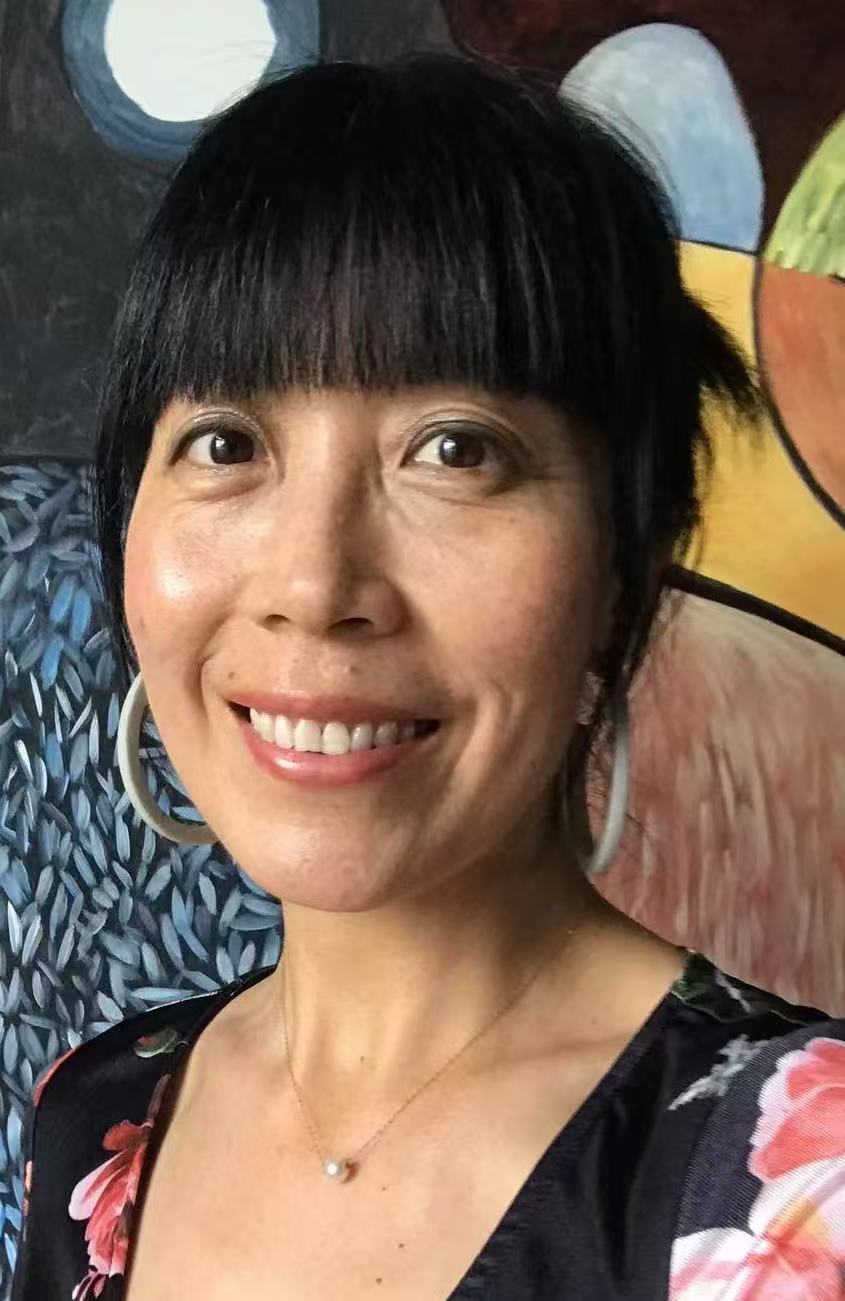
Hello, welcome to the 13th MAiFF Film Festival. I believe this festival will have a broader, deeper, and more positive impact on Asian cinema in Canada. As a Chinese immigrant filmmaker in Canada, I am delighted and honored to have my new film, Montreal, My Beautiful, screened at this festival. I hope that audiences of different ethnicities will be moved and inspired by it regarding the themes of courage and freedom of love, and gain a deeper understanding of the multifaceted and complex realities of immigrant life in Canada. Thanks and enjoy the film!
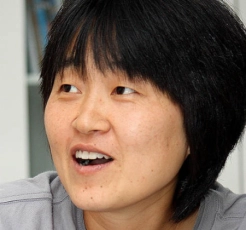
Hello, I am Lee Ranhee, a filmmaker from South Korea. Congratulations on the 30th edition of the Montreal Asian International Film Festival. As a creator, I would like to express my friendship and gratitude for the hard work of everyone who has led this festival for the past 30 years. I am also truly honored that my film, The Final Semester, has been invited. The Final Semester is a story of a boy in his final semester of high school, growing from a youth to an adult, and from a student to a worker. I hope it can be a source of encouragement for young adults entering society, who diligently achieve small steps of growth in a competitive world, even if they aren't grand accomplishments.
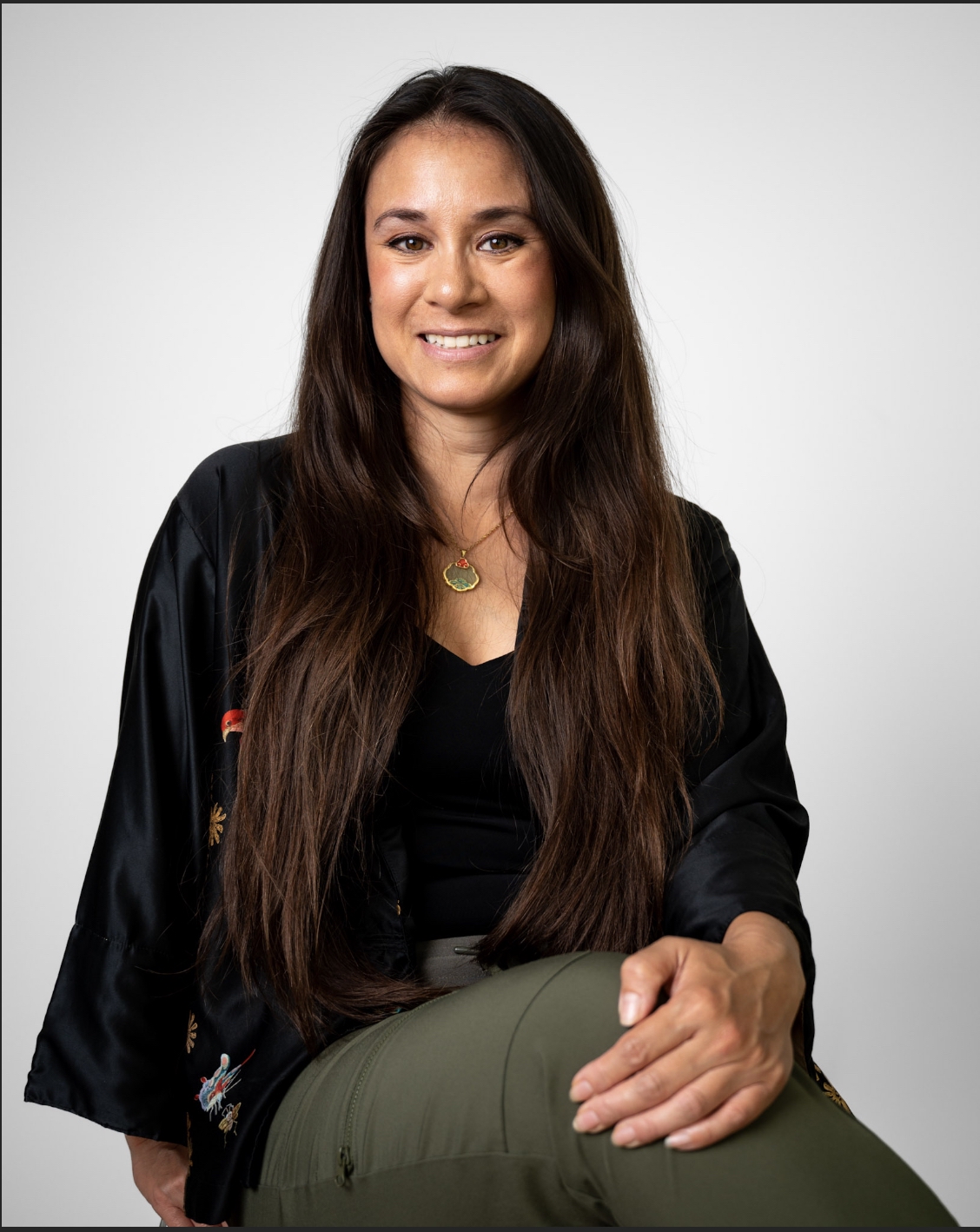
Congratulations on the opening of the 13th Montreal Asian International Film Festival!
It is an honour for me to have The Golden Village be a part of this vibrant program of films that reflect the depth, creativity, and evolving stories of Asian artists and Asian diasporic cinema. The Golden Village is a film that celebrates how new waves of immigration can shape a city over time, adding new layers of connection and community to a place.
I’m especially proud for this film to be part of a festival that creates space for connection, dialogue, and adding new voices to the cinematic landscape.
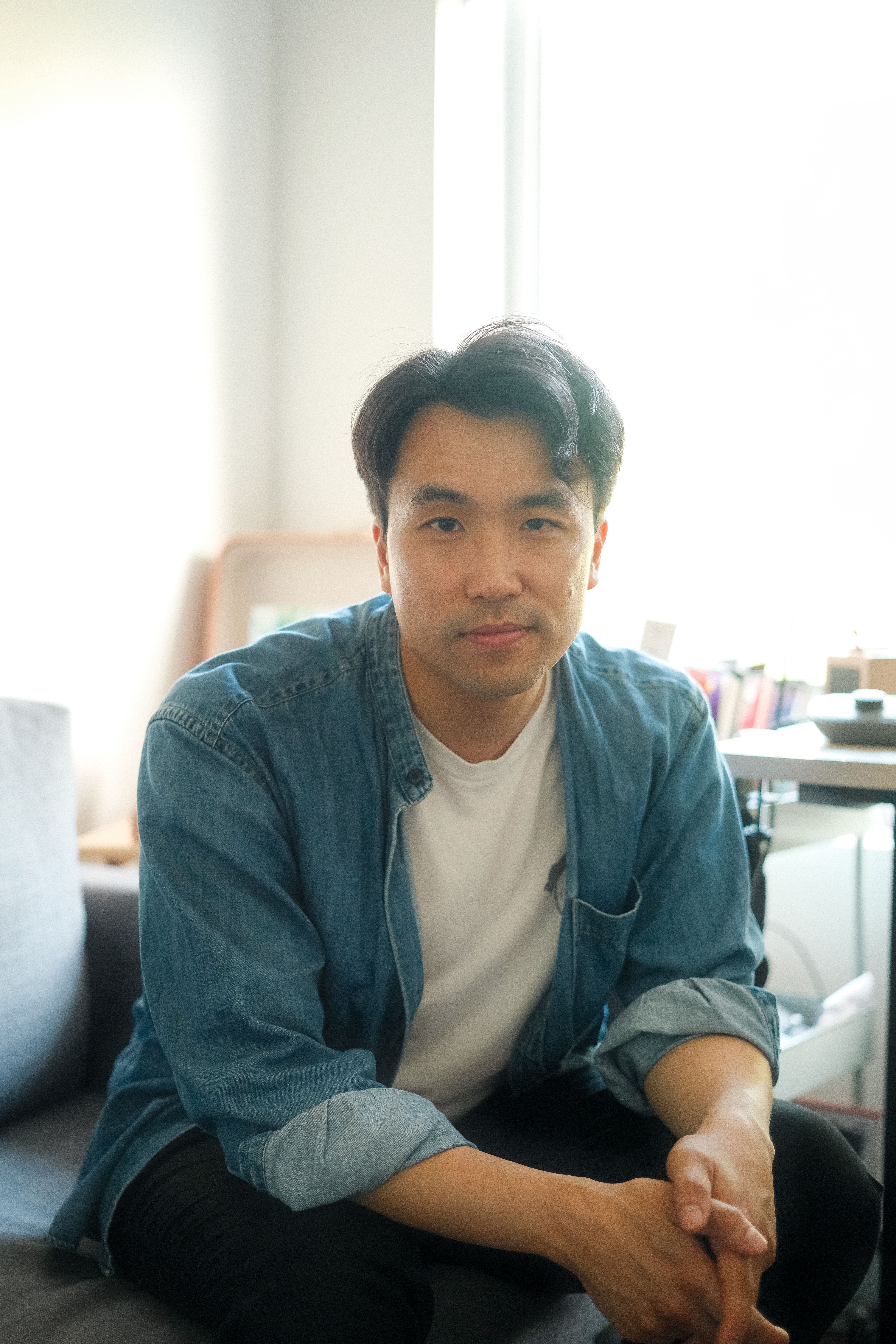
Last September, my debut novel, Oxford Soju Club, entered the world, and it changed my life in two important ways. First, I finally became the writer I had aspired to be for as long as I can remember. Second, I was welcomed into a rich and vibrant community of fellow Asian artists. Through that experience, I came to understand just how essential community is in giving artists access, visibility, and the support needed to thrive.That is why it is such a pleasure to be part of the wonderful team at Arts East-West as we present this year’s Montreal Asian International Film Festival, marking an exciting evolution for the organization. What began as a festival centered on Korean cinema has now expanded to embrace Pan-Asian voices. It is a timely and meaningful shift at a moment when building solidarity and connection across diaspora communities feels more important than ever.Though my involvement with the organization hasn’t been long, seeing its impact has been incredibly meaningful to me. So as the Director of Book Dongne, as the Director of Communications of Arts East-West, and most of all, as an artist who values the organization’s mission, I’d like to thank you all for supporting diaspora arts through this year’s MAIFF.
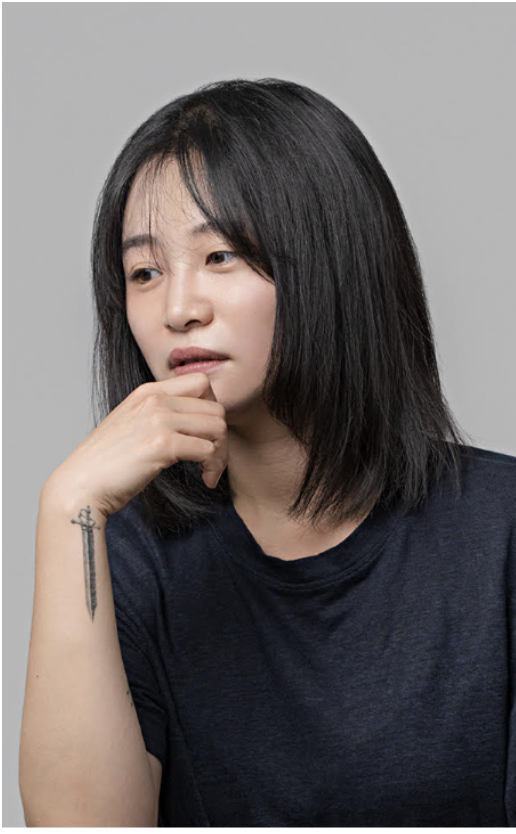
I’m truly honored and very happy to share Manok with audiences at the 13th Montreal Asian International Film Festival (MAiFF). I would also like to sincerely congratulate and support Arts East-West on its 30th anniversary and this meaningful new chapter as MAiFF — a festival embracing even wider and more diverse stories.
Manok began with a simple wish: to create a queer film that feels safe, joyful, and fun to experience together. While screening the film in Korea and at festivals in many different countries and cities, I realized that many people carry memories of a “home” that was not always safe or welcoming. But at the same time, they still deeply miss that place.
In that sense, I believe Manok has been able to connect with audiences from different cultures and communities. That is why it feels especially meaningful to present this film at an Asian film festival in Montreal, where many languages, stories, and identities coexist. Thank you sincerely for warmly welcoming Manok. I hope our film can bring gentle laughter and courage to all of you. Thank you.
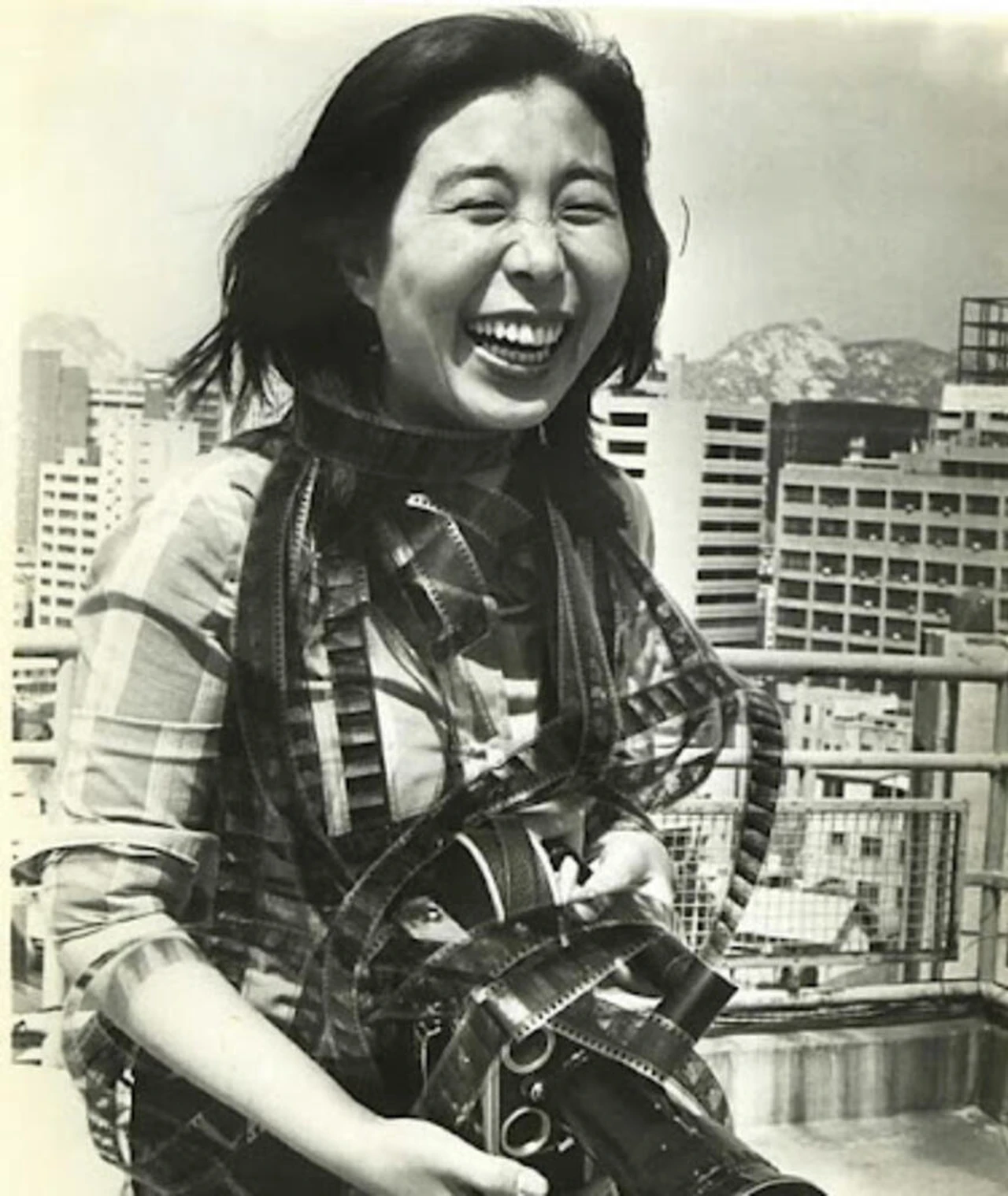
Congratulations on the opening of the Montreal Asian International Film Festival, MAiFF.
When I look back on the 1970s, now half a century ago, making films was also a way of recording my life. It was the work of turning fragments of the dreams I had carried within me into moving images. Like a poet who is a hunter of language that exists nowhere else in the world, I felt an intense impulse to hunt for images that existed nowhere else, and to show them to an audience. I believed that the path of an artist was the path of wandering in search of that one and only image. I was certain that this was the path I had to pursue.
There is no doubt that our film activities in the 1970s were also a radical and avant-garde form of women’s cultural practice. Bcause there were so many political taboos and restrictions across other areas of society, I believe young people in Korea felt an even more urgent and intense longing for freedom and liberation in every field. That may be why cultural and artistic activities that might be difficult for young people today to understand felt so necessary and became so active then.
I hope that through seeing the films of the Kaidu Club screened at the 13th MAiFF, audiences can understand this context and history. I wish you a great start to the festival.
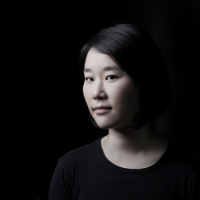
It is a true honor to celebrate the transformation of the Korean Film Festival Canada into the Montreal Asian International Film Festival (MAiFF), marking an exciting new chapter that embraces a broader and more inclusive vision of Asian and Asian diasporic storytelling. Over the past 30 years, Arts East-West has played a vital role in creating space for diverse voices, and MAiFF continues this legacy by connecting artists and audiences across cultures, generations, and lived experiences.
I am especially grateful to be part of MAiFF 2026 with my documentary Landscapes of Home, a film that reflects on identity, belonging, and the meaning of home across borders. I hope the festival will serve as a meaningful platform where stories resonate deeply and spark conversations that extend beyond the screen. Congratulations on this milestone, and I look forward to the powerful stories and connections that will emerge from this year’s festival.
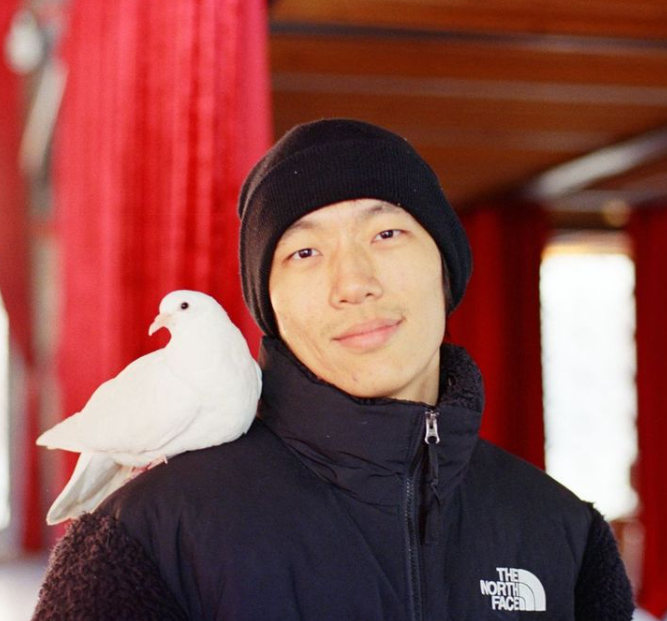
At the turning point of the festival's transition from KFFC to MAiFF, I as a filmmaker along with my debut film Jet Lag in Summer are honored to be selected as a part of this significant new journey and a larger community within Asian contexts. In the past years, the world faced multiple challenges around wars, conflict, diaspora which underlined an exclusive perspective worldwidely. However, film as an art form and a method to express, could bridge these separations, gaps and share a moment of togetherness with various communities and people. At this moment, I appreciate the new starting of Montreal Asian International Film Festival as it connect, bridge and invite us to be together, see together and share together with not only Asian communities, but the beautiful people in the world, to connet the world from the Asian stories.
With a story featuring and conducted by Asian communities, I hope my film Jet Lag in Summer about young Asian people's modern stories could bring you together, in Montreal Asian International Film Festival.
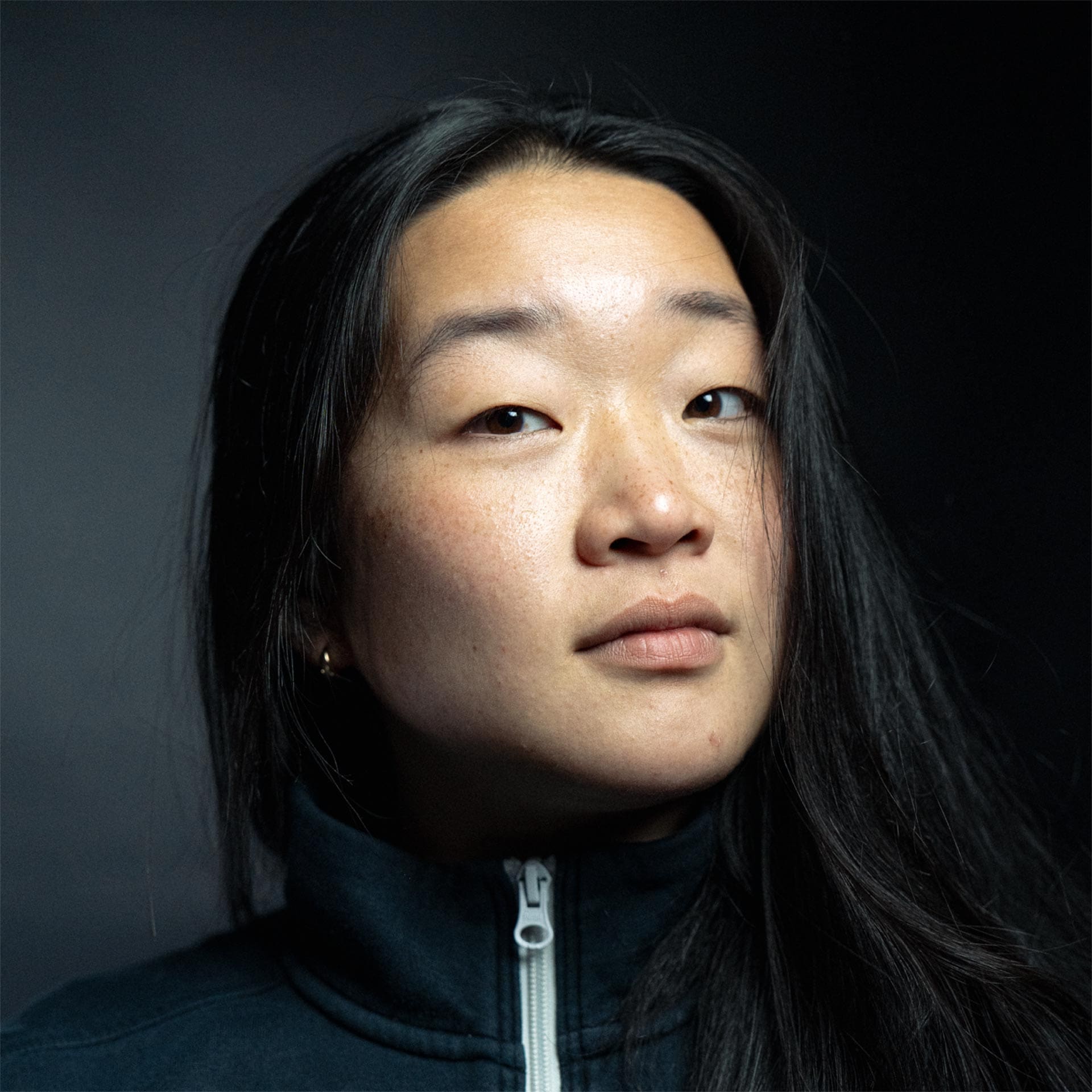
Hi, I’m Huiju Park, a Korean documentary director based in London. I want to start by saying thank you to the festival for selecting this film. It really means a lot to me, personally and for the film, to be part of the Montreal Asian Film Festival as a Korean filmmaker. It feels special to be showing this work alongside films that speak to different experiences within the Asian diaspora, and to be introducedthrough this space.
This film comes from a very personal place. It touches on domestic violence and intergenerational trauma, but for me it’s also about something quieter. It's about where you’re from, the people who shape you, and how that stays with you as you grow. I don’t have a fixed way I want the film to be understood, but I do hope that, in some way, it lets you reflect on your own sense of self, or your roots, however you define them.
I’m really curious to see how audiences at the festival respond to it. And congratulations on the 13th edition — I’m grateful to be part of it.
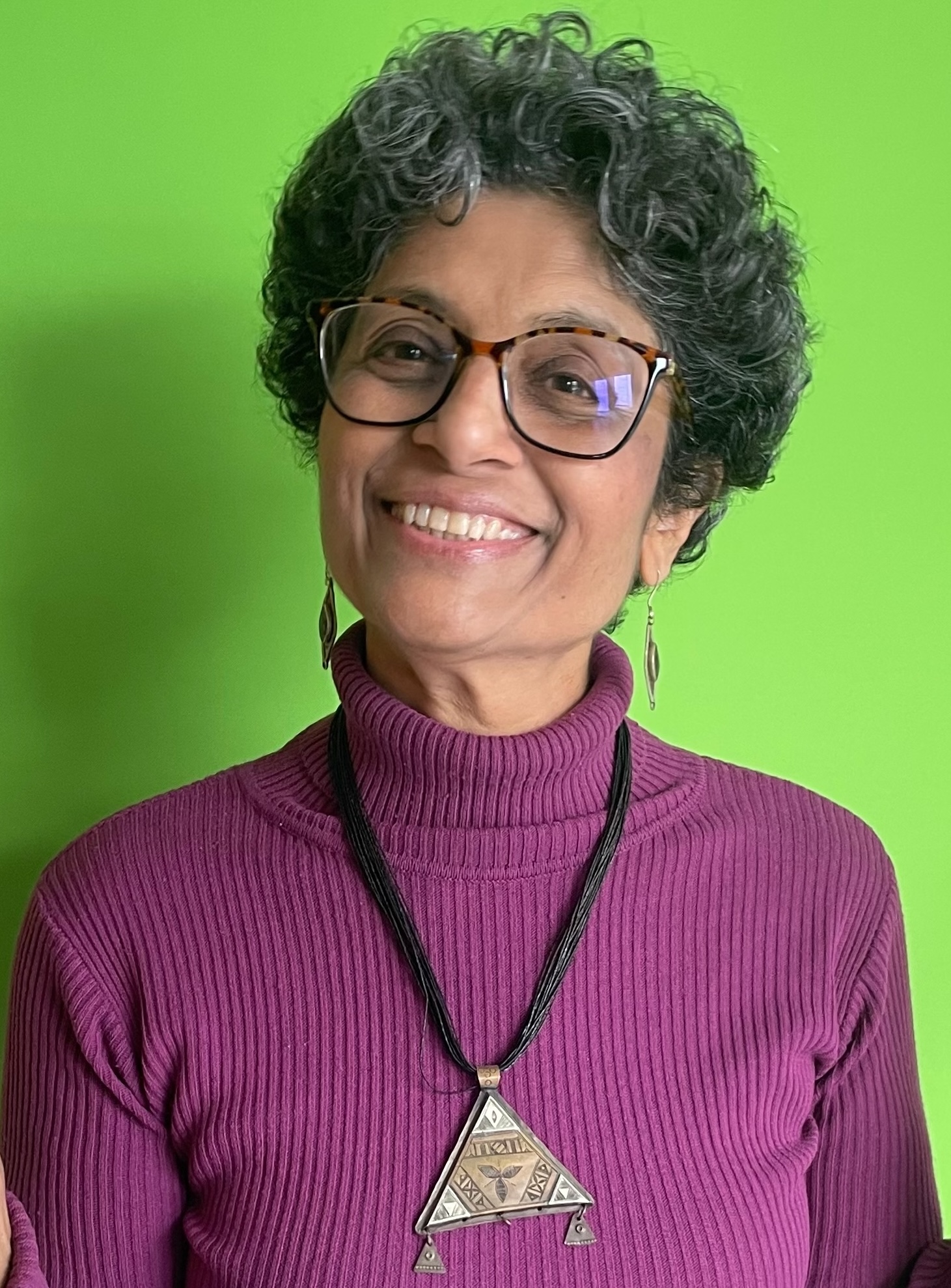
I have known Mi-Jeong Lee since 2013. Talented and tireless, an artist, film-maker, scholar and artistic curator, she has created the dynamic Montreal Asian International Film Festival (MAiFF), now hosting its 12th edition in 2026. Ms. Lee has sought and found the support of many dedicated people, Montréal, Canada, Korea, and elsewhere, to not bring world-class cinema to Canadians. She also encouraged and supported up-and-coming filmmakers and artists at MAiFF and otherwise.
Besides that, the umbrella organization, Arts East-West, that she started, showcases diverse artistic events. This year, I am honoured to participate in Intercultural Favours, an interactive workshop that combines literature, readings, food tasting, creative food writing exercises. More power to MAiFF and Arts East-West!
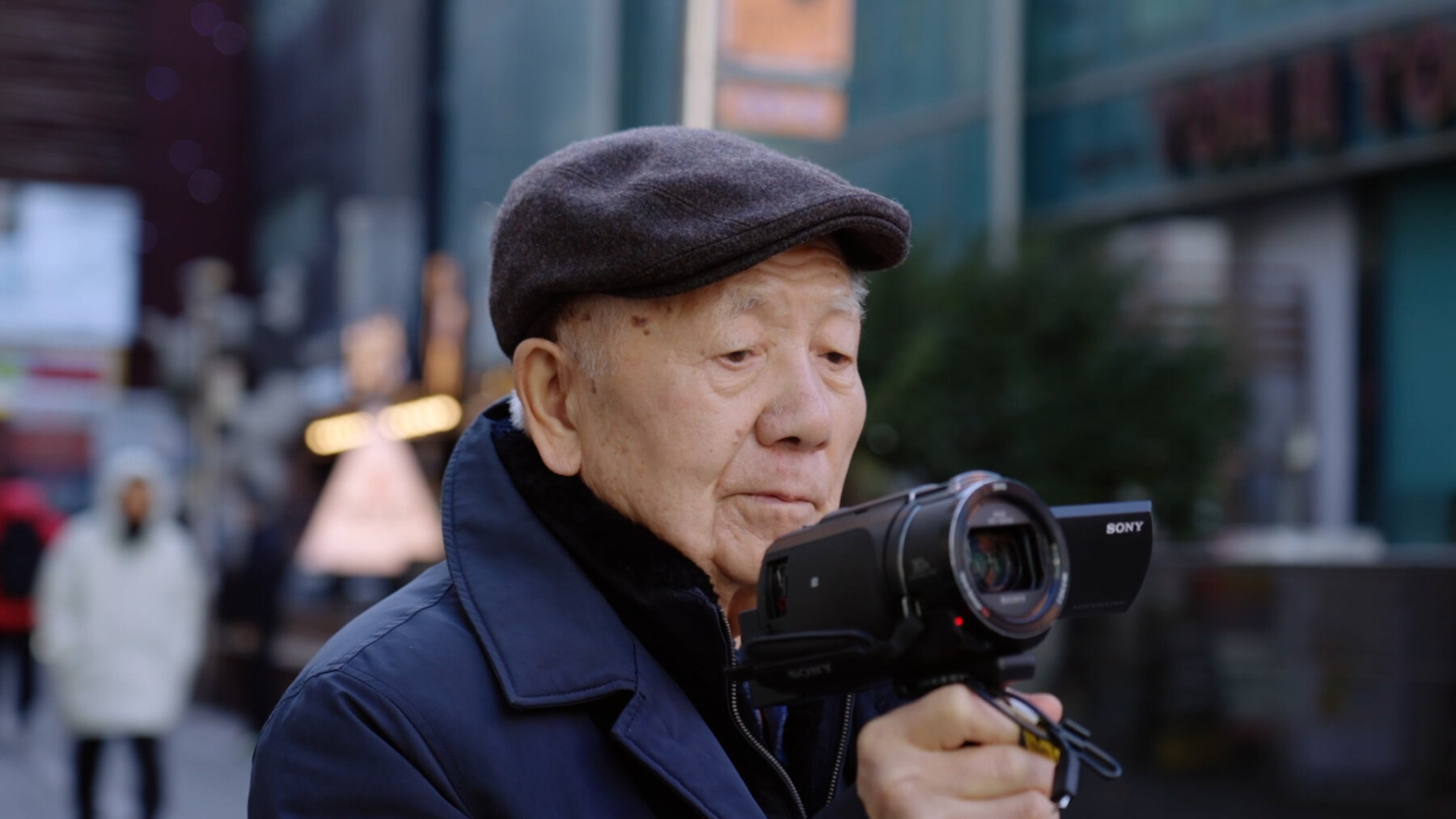
I would like to sincerely congratulate the Montreal Asian International Film Festival on its successful opening this year. I am especially grateful that my film was invited to this year's festival. I would also like to offer my congratulations, gratitude and encouragement to Director Mi-Jeong Lee, who founded the Montreal Asian International Film Festival and has continued to lead it successfully over the years. I hope the Montreal Asian International Film Festival will continue to grow, not only as one of Canada's leading film festivals, but also as a major film festival on the world stage. Thank you.
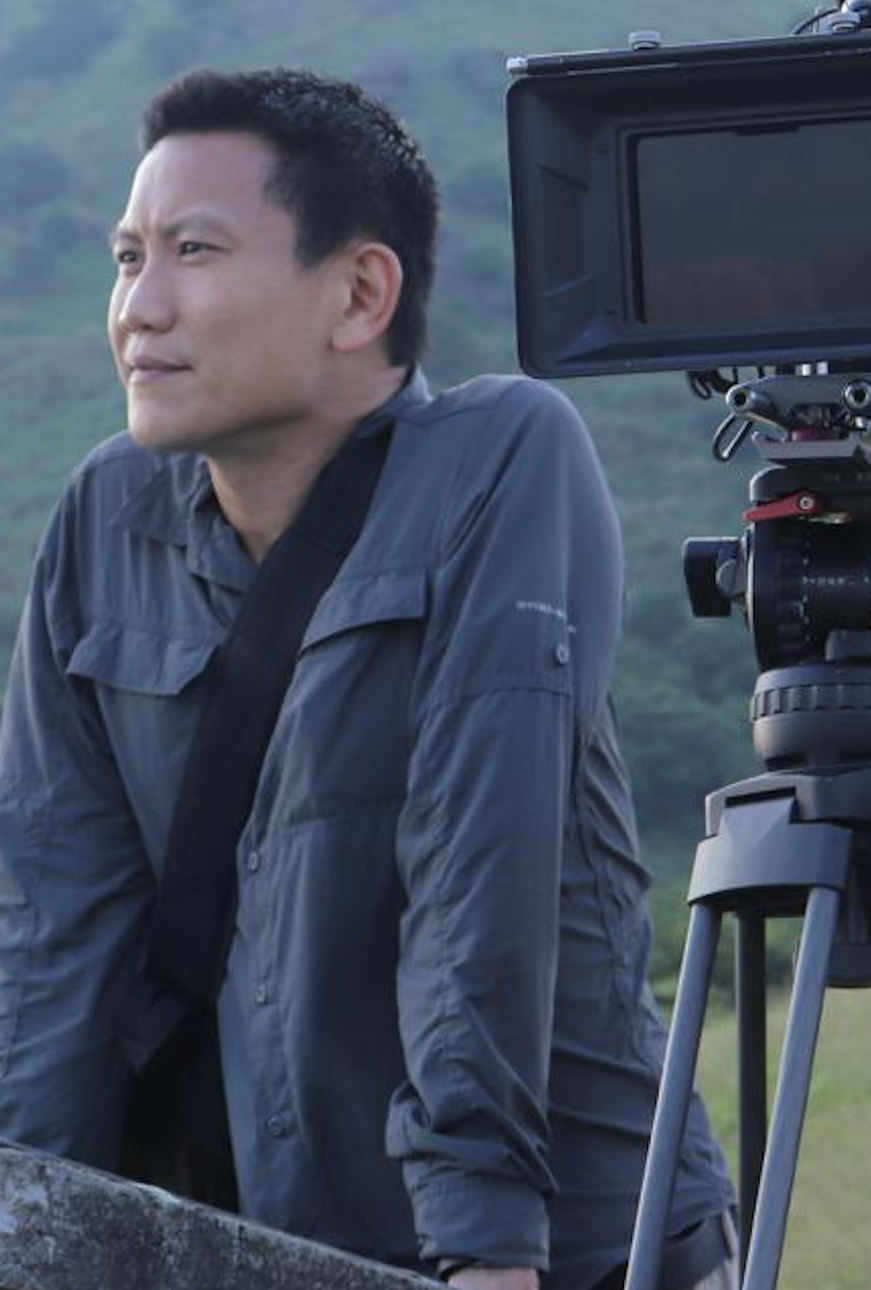
I am deeply honored that A Cup of Milk Tea has been selected for this year's Montreal Asian International Film Festival! This year marks a significant milestone as the festival transitions from the Korean Film Festival Canada into a broader Asian international platform. Having our film screened in the "East Meets West" section is incredibly meaningful to us.
The film revolves around people from diverse backgrounds—including local Chinese, Indian, Nepali, and African communities—who encounter one another in Hong Kong. When different cultures and values clash, conflict is often inevitable. Yet, it is precisely through these conflicts that we learn to truly understand one another, exploring the deeper meaning of racial harmony and integration.
Cinema is a powerful medium. Our hope is that the journeys of these characters will spark meaningful reflection and dialogue. As this marks our Canadian premiere, we sincerely hope the audience in Montreal will connect with and enjoy the film! Congratulations to the new chapter of MAiFF.
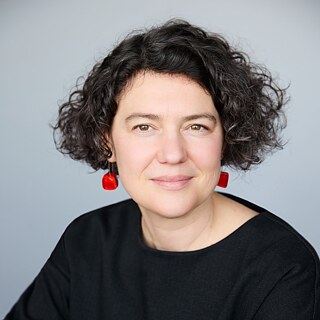
It is a great pleasure for the Goethe-Institut Montréal to partner with MAiFF for the 2026 edition of the festival. Montréal draws its strength from its diversity, creativity, and openness, and festivals such as this one play an essential role in bringing communities together through cinema, artistic expression, and cultural exchange. We are proud that part of this year’s program will take place at the Goethe-Institut, transforming our space into a place of dialogue, discovery, and encounter. The festival’s commitment to showcasing diverse voices and perspectives deeply resonates with our mission of fostering intercultural understanding through the arts. I would like to warmly thank the organizers, artists, filmmakers, volunteers, and partners whose dedication makes this inspiring event possible. I wish you all a festival filled with memorable films, meaningful conversations, and inspiring encounters.
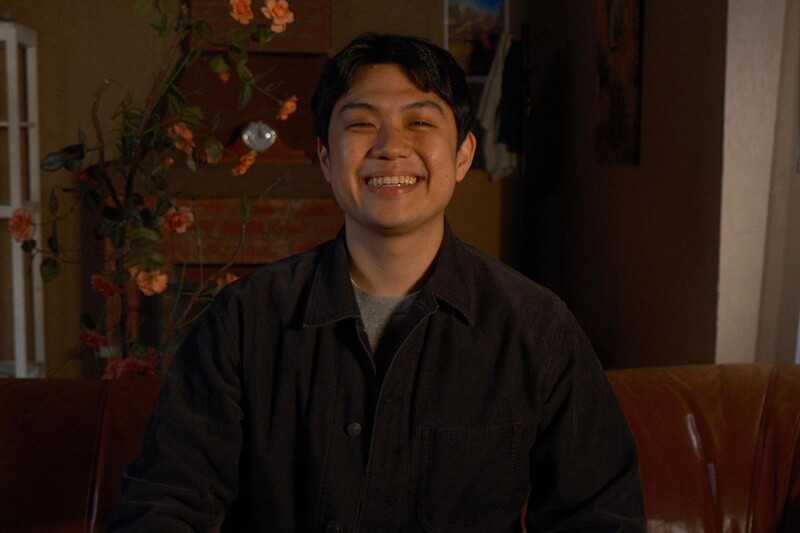
Hello, I am Kyungbin Park, a filmmaker from South Korea currently based in Canada. First of all, I would like to thank the Montreal Asian Film Festival for inviting my film Only For a Day. It is a real honor to share my work as an emerging director.
As a filmmaker, I am interested in stories about memory, loneliness, identity, and human connection. Through Only For a Day, I wanted to tell a small but emotional story about a child, a mother, and a brief moment of love that cannot last forever. Making films while living between different cultures has deeply influenced the way I see people and emotions. Thank you again for watching the film, and I hope the story stays with you even only for a day.

Congratulations on the 13th edition of the Montreal Asian International Film Festival, and thank you for inviting my film. “Heading to the East” is a deeply personal film. It follows two people living in diaspora as they try to reclaim their past and reconnect with the people they love. As someone living in diaspora myself, especially in a time of increasingly strict immigration policies, every goodbye to family or loved ones leaves me wondering: When will we see each other again? In moments like these, perhaps memory is the only comfort. Those distant, fading images we hold onto become proof that love once existed.
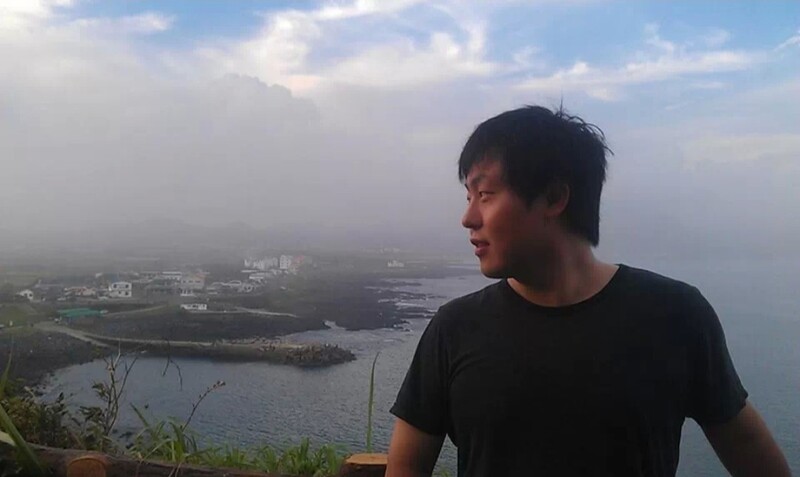
Thank you very much for selecting our short film Broken Dawn for the 13th Montreal Asian International Film Festival. It is a great honor for us to be part of this meaningful new chapter of MAIFF. We deeply respect the festival’s vision of embracing Asian cinema and media arts through the theme “Tangibility: Soil, Body, Stories,” and we are truly grateful that Broken Dawn will be included in such an inspiring program.
We are especially touched by the festival’s dedication to creating dialogue between cultures, generations, and artistic practices. As a filmmaker from South Korea, it means a great deal to share our work with audiences and artists in Montreal and across Canada. We sincerely look forward to participating in MAIFF 2026 and celebrating this wonderful festival with you.
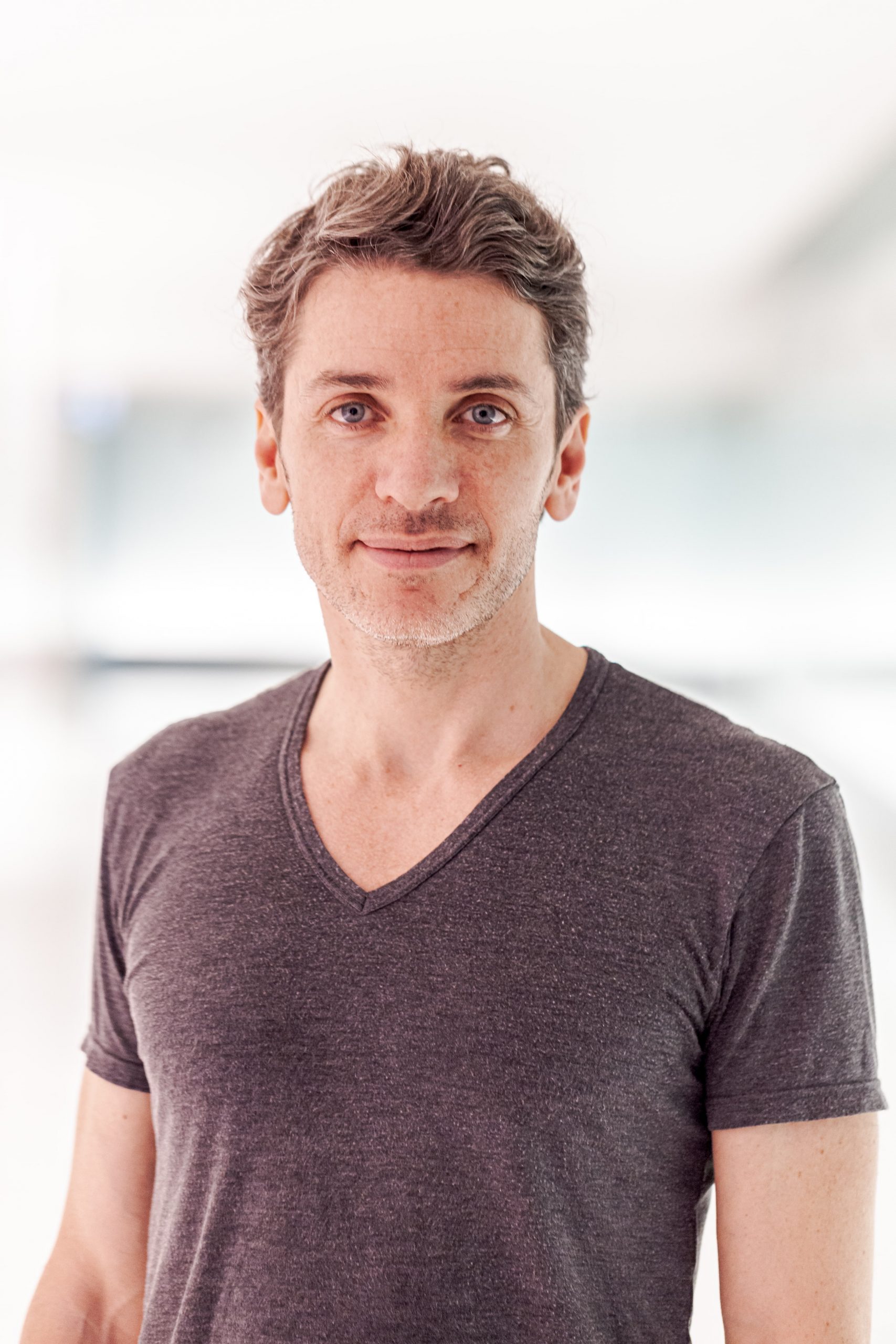
It is a great pleasure for Art Souterrain to partner with MAiFF and celebrate the richness of Asian and Asian-Canadian creativity together. This collaboration highlights how art and culture can bring communities closer. In Montreal, a city defined by its diversity and vibrancy, initiatives like MAiFF remind us of the importance of connecting cultures, sharing stories, and embracing multiple viewpoints. Contemporary Asian cinema, with its visual power and sensitivity, allows us to explore the complexity of our society while fostering curiosity and openness to the world. This partnership emphasizes the value of dialogue and exchange between different artistic and cultural communities—a cornerstone of creativity in a city like Montreal.
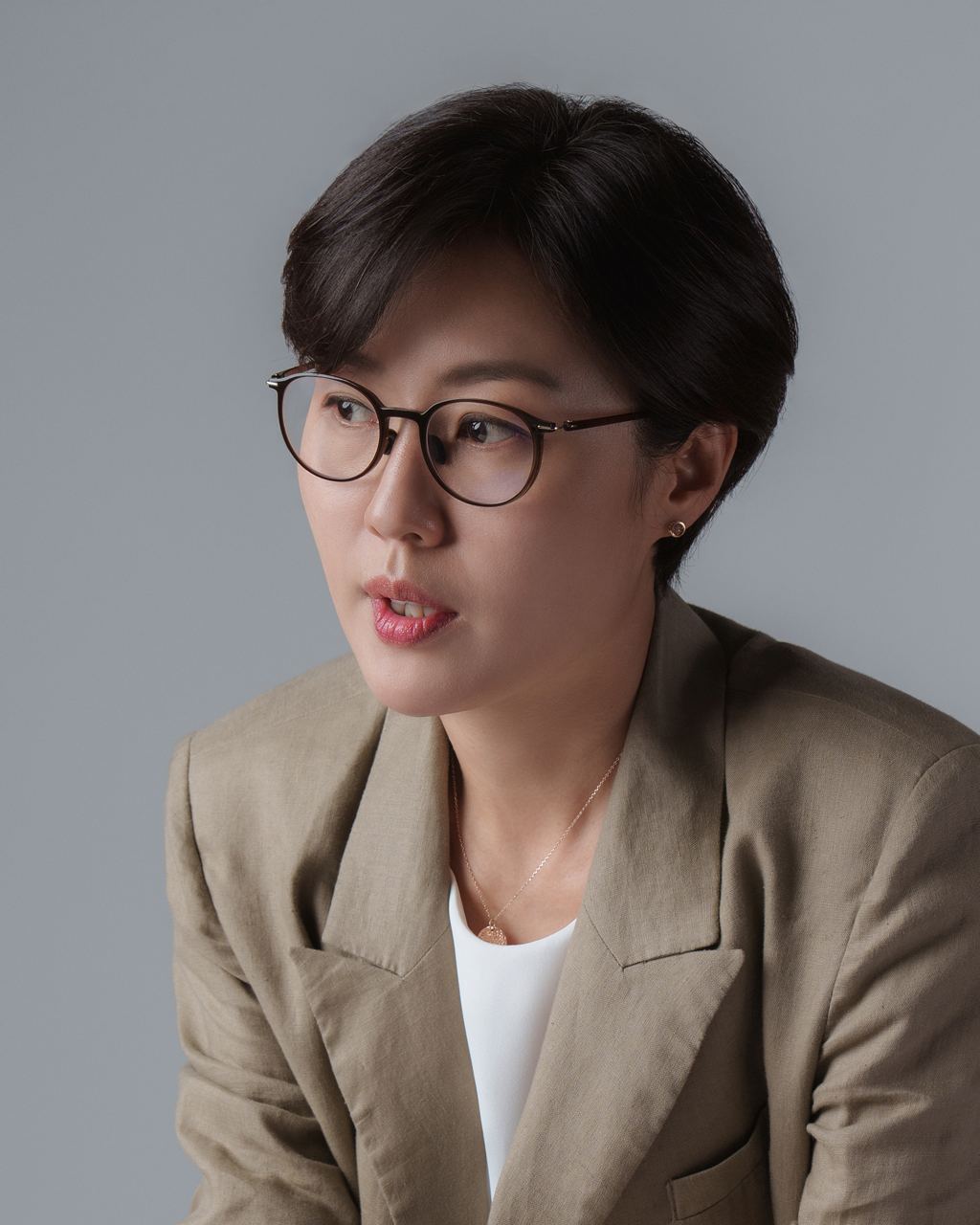
We are absolutely thrilled to screen A Man Who Heals the City at the 13th Montreal Asian International Film Festival. This documentary tells the true story of a man who saved both himself and his community by dedicating his entire life to caring for the world around him. This real-life miracle offers a sanctuary for those of us exhausted by a world where everyone must fend for themselves, inspiring us to want to become better human beings. In a world where hatred and violence are growing worse, there are clearly still people somewhere who hold onto hope.
I hope it brings comfort to see how healthy a community can become simply by upholding the common sense of ordinary people. Just as Kim Jang-ha said, "The world is sustained by ordinary people." I sincerely hope that across languages and borders, we can look at each other with courageous optimism.
For over five decades, Groupe Intervention Vidéo (GIV) has been a center dedicated to the distribution and dissemination of independent video works created by women, in its most inclusive definition, with a sustained commitment to feminist practices and underrepresented voices. The Montreal Asian International Film Festival (MAIFF) shares this commitment to visibility by creating a space for encounter for Asian voices that reflects the diversity and complexity of contemporary experiences. As a site of intervention, GIV is grateful to present works from its collection within this festival context, where artistic practices engage with social, cultural, and political realities, contributing to the ongoing redefinition of identities. We extend our sincere gratitude to the artists, collaborators, and audiences whose presence sustains and nourishes this community, and we look forward to continuing our collaboration with the wonderful MAIFF team!
It is my pleasure to extend my heartfelt congratulations on the 30th anniversary of Arts East–West, and on this meaningful new chapter as the Montreal Asian International Film Festival (MAiFF). Over the years, KFFC has played a vital role in introducing Korean cinema to audiences in Canada, contributing significantly to its global reach and to cross-cultural exchange. This transition marks an important turning point to become a broader and more inclusive platform.
The Korean Film Archive has been proud to collaborate with Arts East–West in bringing Korean classic films to international audiences and promoting the value of Korea’s film heritage through digital archives. In particular, the retrospective of actor Ahn Sung-ki, presented through this collaboration, offers a meaningful opportunity to revisit his distinguished legacy on the international stage. We commend Arts East–West for its continued dedication to building bridges between Asian cinema and Western audiences.

It is a great pleasure to extend my warmest congratulations on the opening of the Montreal Asian International Film Festival (MAiFF).
Quebec, and Montreal in particular, is internationally recognized as a vibrant center of arts, culture, and cinematic creativity. I am especially pleased to witness the continued growth of cultural and cinematic exchanges between Korea and Quebec. In recent years, Korean films, directors, and artists have received enthusiastic recognition from audiences and cultural institutions across Quebec, reflecting the growing interest in Korean culture and storytelling.
Special recognition should also be given to the organizers, volunteers, sponsors, filmmakers, artists, and community leaders whose dedication, passion, and vision have made this festival possible. I sincerely hope that MAiFF will continue to grow as an inspiring cultural forum that strengthens friendship and understanding between Quebec, Korea, and the broader international community. May this year’s festival offer audiences memorable experiences, meaningful encounters, and the opportunity to discover outstanding films and new perspectives from around the world. I wish the Montreal Asian International Film Festival every success and all participants a truly inspiring and memorable celebration of cinema and culture.
I have been following the work of Mi-Jeong Lee for several years and have found her efforts to raise the visibility of Asian arts and culture in Quebec impressive. Quebec is a complex society that is both welcoming and impenetrable. Achieving a true dialogue demands patience and persistence, qualities that Mi-Jeong has demonstrated in abundance since establishing Arts East-West in 1995. What impresses me most about Mi-Jeong and her young team is the constant quest to evolve, to make new discoveries, and to include new partners. The focus is resolutely Asian, and the desire to showcase the work of Asian filmmakers is a constant. This vision is coupled with the goal of connecting Asian artists with new audiences, which may be encountering Asian culture for the first time, or in new ways. This ambitious program benefits everyone involved. Welcome to the 2026 Festival. I wish you memorable artistic and human encounters.

I find it very meaningful that the work of Director Han Okhi, a pioneer of Asian experimental cinema, is meeting international audiences through the Montreal Asian International Film Festival 2026. Director Han Okhi's works stand as an important legacy not only in the history of Korean experimental cinema but also in the history of Asian women's cinema. ACC considers preserving and restoring these works and connecting them with various regions and new generations as an important cultural responsibility.
I hope this retrospective serves as a valuable opportunity for Director Han Ok-hee's radical and futuristic perspective, which was ahead of its time, to reach today's audiences. I sincerely congratulate you on hosting the Montreal Asian International Film Festival 2026.
It’s an honor to share Dad vs Bees with audiences at the Montreal Asian International Film Festival.
At its surface, the film is about my dad’s battle to reclaim his garden from a bee infestation. But it becomes about much more than that–about family obligation, aging, language barriers, the lasting impacts of displacement, and the ways love is expressed across generations. In a similar way, making Dad vs Bees was about more to me than making a film. It was a way for me to reconnect with my family after being away for 4 years, and to explore my upbringing as well as my Vietnamese and Chinese heritage.
I hope that at MAiFF, audiences will not only connect with Dad vs Bees, but also find points of connection with one another, their families and their communities.
It is my great honour to extend warm greetings to the 13th Montreal Asian International Film Festival. I would like to sincerely congratulate MAIFF on its continued dedication to celebrating Asian cinema and fostering meaningful cultural exchange.
Cinema is a profound medium where image and sound converge to create a shared emotional language. Festivals such as MAIFF play an essential role in amplifying diverse voices and building cultural bridges through this artistic dialogue. We deeply respect your commitment to showcasing stories that reflect both creative excellence and cultural identity. We are pleased to share in this spirit of collaboration within the international film community and look forward to the meaningful synergy our two festivals will continue to cultivate together in the years ahead. Wishing you a vibrant and inspiring 2026 edition.
On behalf of the English-Language Arts Network (ELAN), I’m honoured to welcome you to the 13th edition of the Montreal Asian International Film Festival. Building on the successes of previous years, this edition of the festival will offer audiences another year of bold and engaging programming and many opportunities for rich intercultural exchange. Through their engagement with the theme of tangibility and their exploration of identity anchored in tradition yet open to exchange, this year’s selection of films is sure to resonate with Montrealers and reflect the vibrant diversity that is their daily reality in the city.
On behalf of McGill’s South Asian Studies Student Association (SASSA), I am beyond honoured and excited to give my support to the 13th edition of the Montreal Asian International Film Festival (MAIFF)! As a student organization that represents the scholarship of Asian history, culture, and diaspora, we realize the importance of events like MAIFF in providing a space to enjoy and appreciate Asian art. We truly appreciate MAIFF’s aim to create a festival that speaks to the vast and beautiful culture of Asia and are looking forward to the works that will be showcased this year. For students in particular, it is so necessary to uplift and encourage creativity at a time where art is needed more than ever. Film is so intrinsic to community expression and there is great value in the opportunity MAIFF is building for cultural exchanges. We want to extend our deepest gratitude to all of the artists and organizers who make spaces such as MAIFF possible. Thank you and enjoy the festival!
Congratulations on the grand opening of the 13th Montreal Asian International Film Festival (MAiFF). It is a profound honor to support this courageous evolution as you embrace the new motto, "UNBOUND," integrating the diverse voices of the Asian diaspora beyond the legacy of the KFFC. We applaud MAiFF’s vision in breaking boundaries and expanding the artistic horizon of cinema. We look forward to this festival serving as a dynamic platform where Montreal’s open heart meets the deep insights of Asian storytelling. May every film in this year’s program resonate deeply with the audience, and we sincerely wish MAiFF a future filled with continued inspiration and success.
For years, our audiences and artists asked us the same question: why do we still call ourselves the Korean Film Festival Canada (KFFC), when all knew that we have been programming Asian cinema inclusively from across the continent and the diaspora for over a decade? It was a fair question. And this year, we finally answered it.
Look at Celine Song. Maggie Kang. Xiaodan He. We see that Asian diaspora stories carry a singular and reverberating power — a unique way of seeing and telling that resonates far beyond borders. Montréal is a city that connects with the world through open eyes and an open heart. So are we. With all the boldness and courage we could gather, we inaugurated the Montreal Asian International Film Festival (MAiFF).
We will be honest with you: we do not yet have the resources this vision fully deserves. We are a grassroots organization — not backed by large institutions or deep pockets, but held together by a small, passionate, and deeply talented team who made this happen against the odds. This first step may have felt long in coming. We know that. And we are proud of it anyway. This is only the beginning.
Every film in this year’s programme was chosen with care and profound vision. Not one of them is here by accident. Each carries a story, an aesthetic, a form — something worth discovering, or rediscovering.
MAiFF brings together the historical legacy of AmérAsia, KFFC, and East Meets West under one new motto: UNBOUND. No borders, no boundaries. To reach outward across every border — physical or otherwise — through the singular gaze and narratives of the Asian diaspora in Canada. Our Dancheong Competition celebrates exactly that spirit — first and second films by Asian and Asian diaspora directors, all already prize-winners, competing for the Grand Prize and eight individual awards.
Crafted over years of heartfelt dedication, MAiFF stands today as a bold platform for Asian voices — honouring the classics that have shaped cinema’s history while discovering the new stories, forms, and aesthetics that will define its future. MAiFF is for Montréal. And Montréal is you.
We hope to see you soon.