

About the Film
Director
Choi Jeongdan
Country
Korea
Year
2025
Program
KFFC 4
Curated by
MAiFF Programming Team
Description
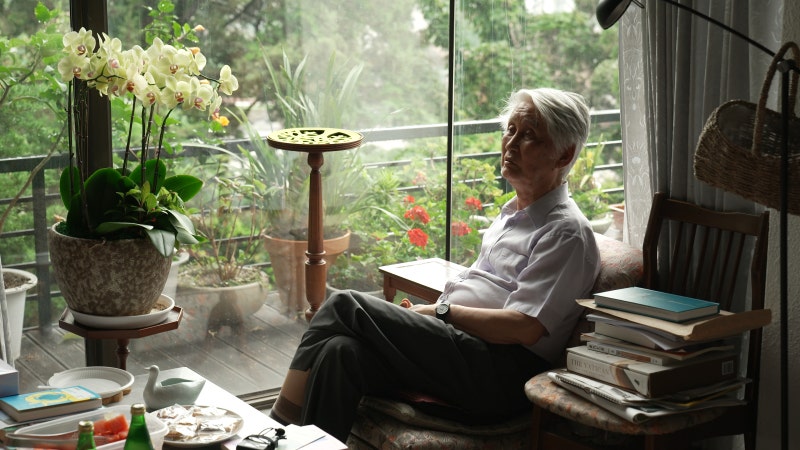
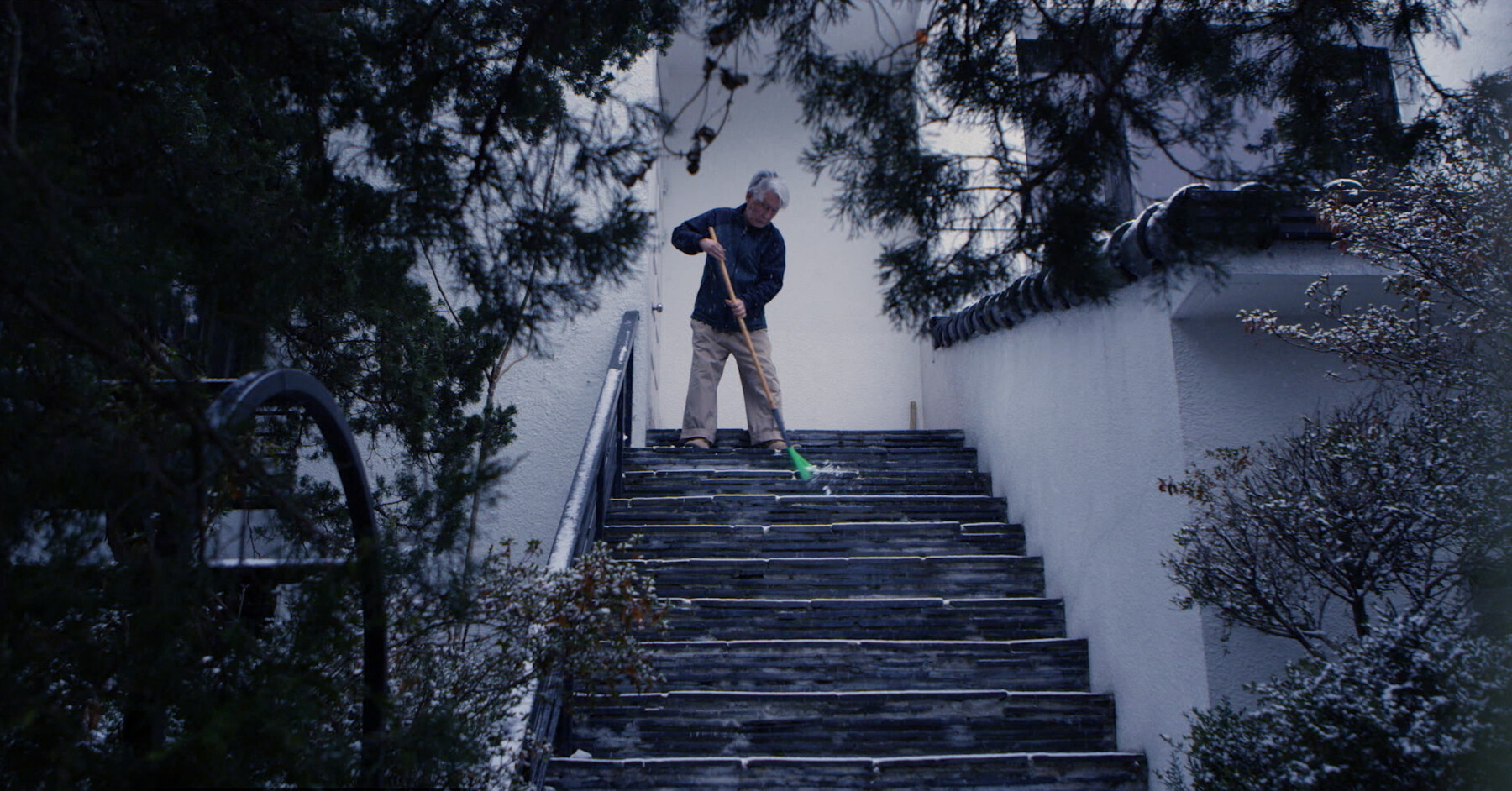
Synopsis | A 21-year chronicle exploring the strange life and the cosmic thinking about death and life of Kim Uchang, one of Korea's foremost thinkers, who leads a life in complete agreement with his scholarly philosophy. For 40 years, he has been living with his wife Sul Soonbong in a house with lots of steps and a leaky roof, where the open sky and the mountains can be seen. His children urge him to move, but he has no such intention. It’s because, according to his children, Kim believes that what remains unchanged is ethically right and that comfort is evil. The house, therefore, represents Kim himself. He keeps all the things inherited from his parents. One day, an accident occurs, leaving his wife bedridden. He runs the household by himself, but as his own body grows frail, caring for his wife becomes an arduous struggle. He is engrossed in thought, trying to write his final book, 『The Horizon of Things and Being』, but has yet to deliver the manuscript to the publisher. What meaning do things and his house hold for him? Can he ever complete his final book?
Programmer's note | The film looks at the way Kim Uchang, one of Korea’s foremost thinkers, lives through time across a window of twenty-one years. A repeated day of sweeping snow from the steps, picking up the newspapers, and sitting down at his desk slowly becomes the clearest image of his thought and philosophy. The seasons turn in their natural order. Flowers bloom and fall. Summer passes and winter returns. Yet within that flow, the center of his life keeps its own rhythm without ever hurrying. Out of that repetition, the film shapes a sense of the “eternal now.” The past scatters into records, and the order of chronology loosens. Yet his daily life of reading, writing, walking up and down, and thinking remains vividly alive with the same depth wherever it is placed in time. That is why the frayed sleeves of his old suit, the leaking ceiling, the stacked books, and the worn sofa all become witnesses to his present. The film allows us to see his reflection in the grain of life itself. It reveals what it means for a person to live out his thought through the way he lives, and what it means to speak of preparing for death while still sitting at his desk and typing on the keyboard. This quiet continuity carries the film’s deepest resonance. As the sea receives the falling snow without limit, his present holds both the time that has passed and the time still to come. Within that flow, we come to see that a human life can itself become a form of thought. Perhaps the “eternal now” is simply another name for the attitude of living each day fully as one’s own. Perhaps the present is, after all, a way of being that does not disappear.